Project Stembox
Executive Summary
In Bangladesh, a deep divide exists in STEAM education: while high-income students learn on expensive, imported robotics kits, marginalized youth are left completely behind, often not touching hardware until university. At the same time, perfectly functional electronic components—like microcontrollers and sensors—gather dust in the drawers of university graduates. This project bridges that massive gap by building a sustainable, low-cost robotics ecosystem designed specifically for our local reality. By combining zero-waste hardware kits—where the cardboard packaging transforms directly into the robot's structure—with recovered electronic waste from university students and a grassroots Bangla learning platform, we are eliminating the financial barriers to tech education. Our mission is to democratize STEM, transforming marginalized students across both rural and urban communities from passive learners into active digital creators.
The Problem
- STEAM education resources in Bangladesh are fundamentally disconnected from the local reality.
- Currently available robotics kits are mostly expensive off-the-shelf imports made of plastic, Lego-like parts, or aluminum profiles.
- Because these kits are priced out of reach for lower-income communities, local students only receive hands-on hardware exposure during their final years of university.
- There is a massive, unseen e-waste problem where valuable microcontrollers, sensors, and motors collect dust after university students graduate.
Solution & Execution
We are creating a circular tech ecosystem that makes robotics education radically affordable by combining frugal innovation with an e-waste recovery model and a grassroots Bangla-language learning platform.

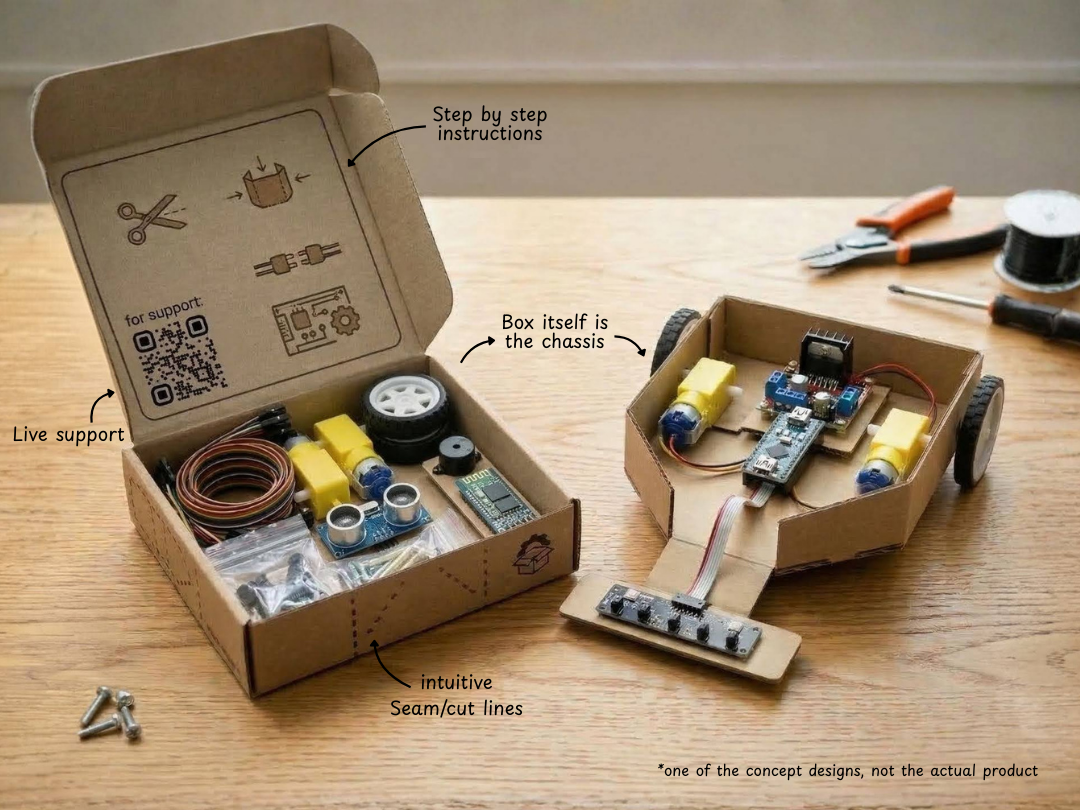
Step 1 - Product Development
Finalize the design and manufacturing of zero-waste cardboard robotics kits where the packaging doubles as the robot's structure, seamlessly integrating everyday household waste (like ice cream sticks).
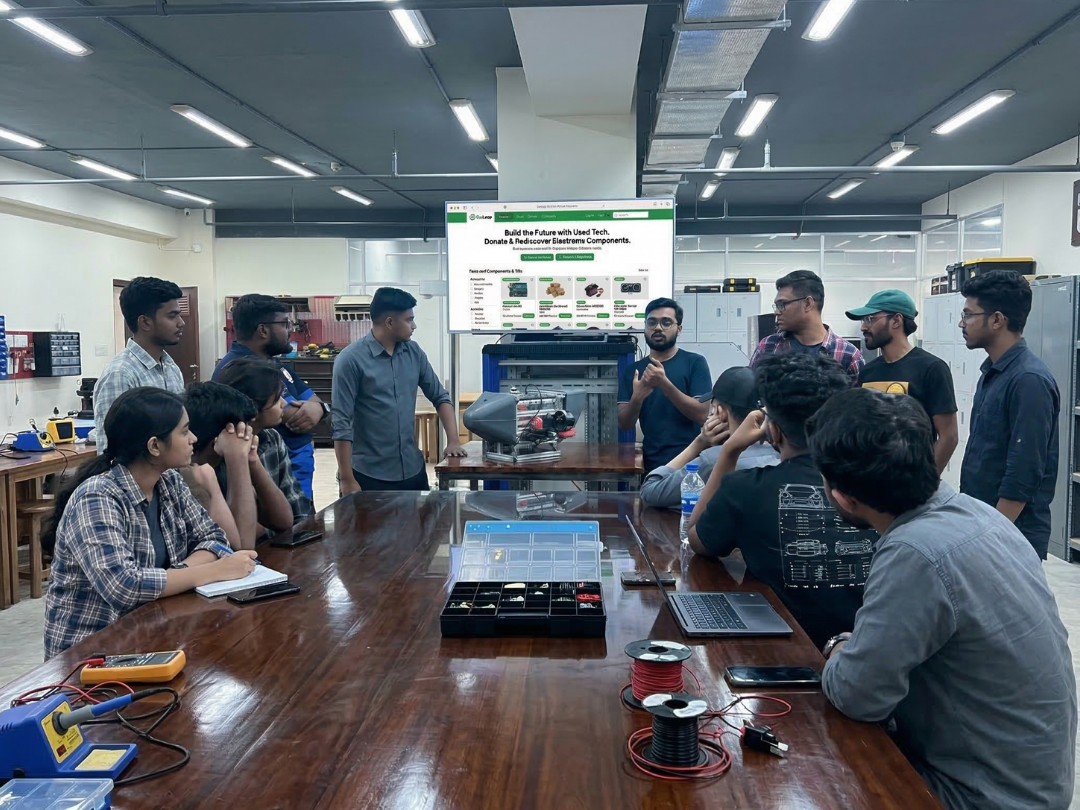
Step 2 - Hardware Sourcing & Platform Launch
Deploy an e-commerce web app and execute university-wide donation campaigns to recover and redistribute functional microcontrollers, sensors, and motors from university graduates.
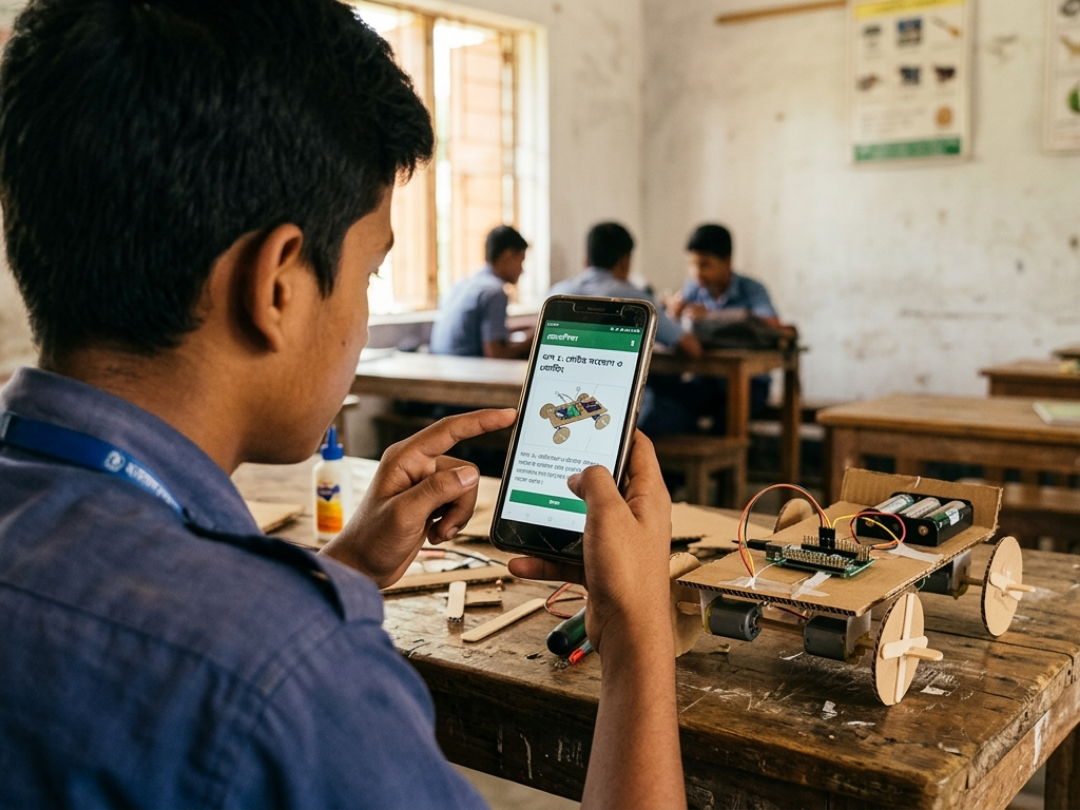
Step 3 - Content Creation & Grassroots Distribution
Launch a local Learning Management System (LMS) with step-by-step Bangla tutorials, partnering with local educators to roll out the integrated hardware and curriculum to target communities.
Target Market
High school students in Bangladesh, with a phased rollout plan to adapt kits and curriculum for middle school students.
Underfunded public schools, NGO-operated educational programs, and resource-constrained small private schools.
B2B/Institutional partnerships directly with target schools to supply the hardware ecosystem and provide hands-on mentorship.
About Me
"I have been running workshops and bootcamps throughout Bangladesh since last year to understand the market more deeply and validate the grassroots approach."
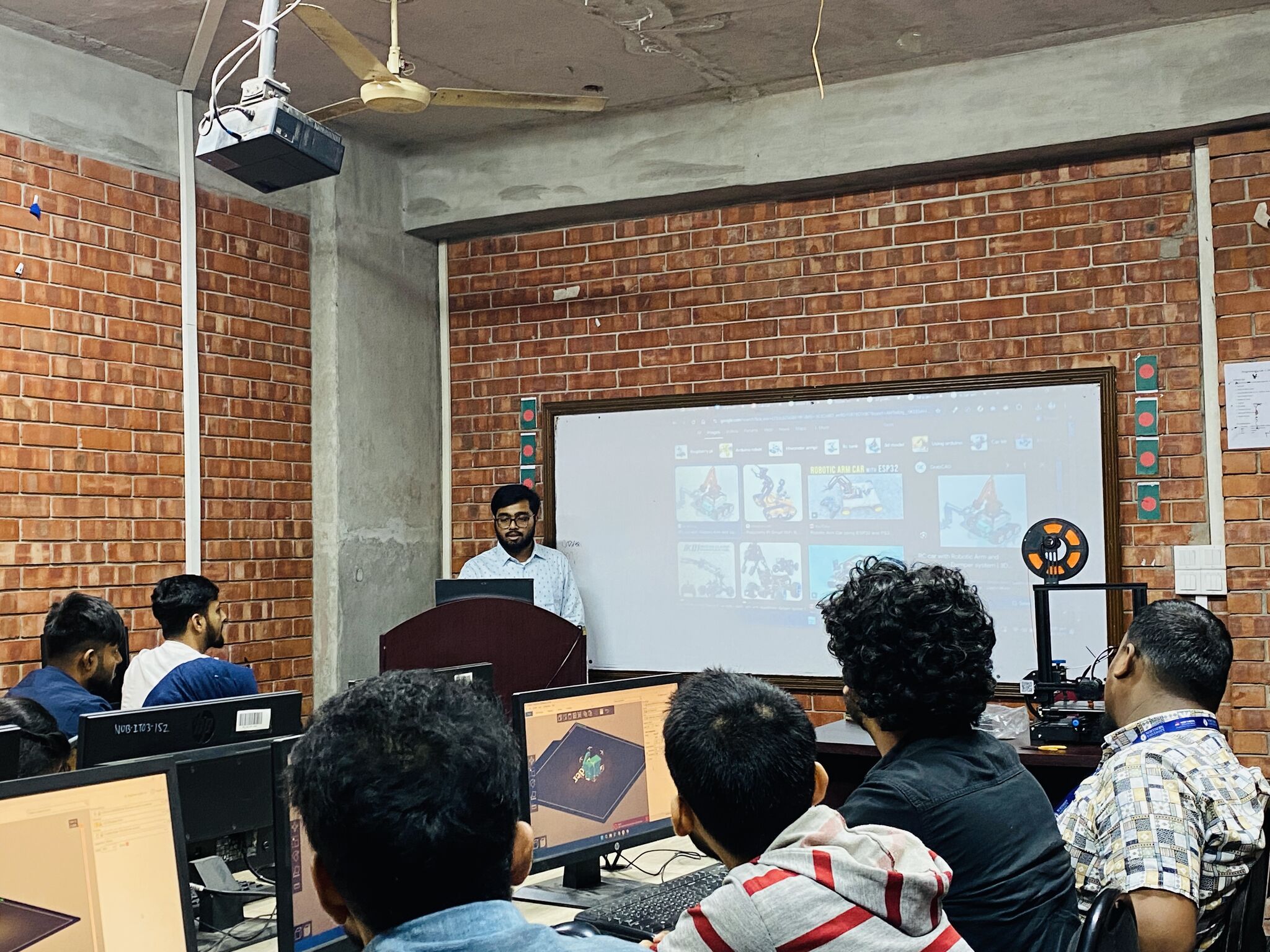
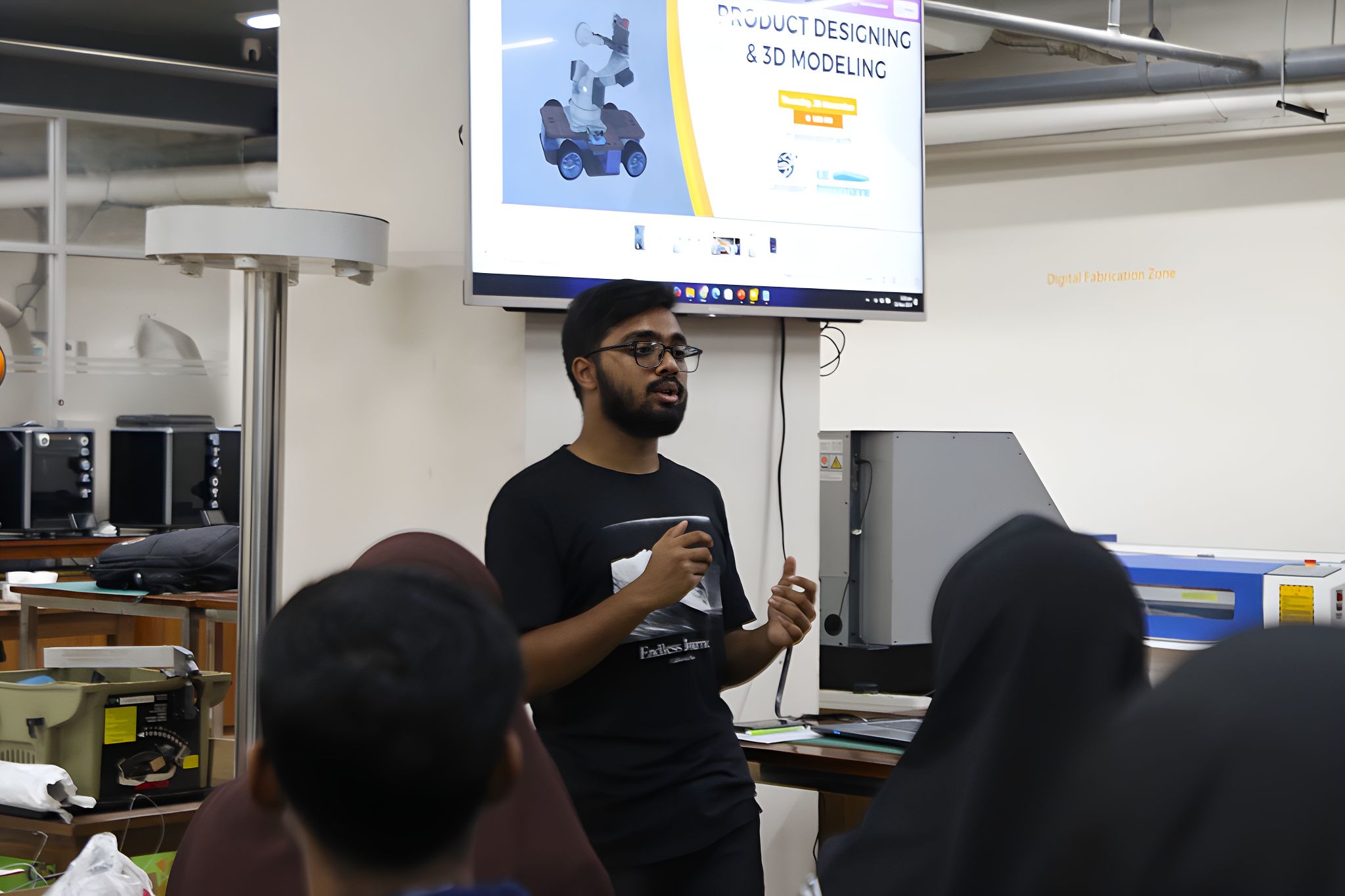
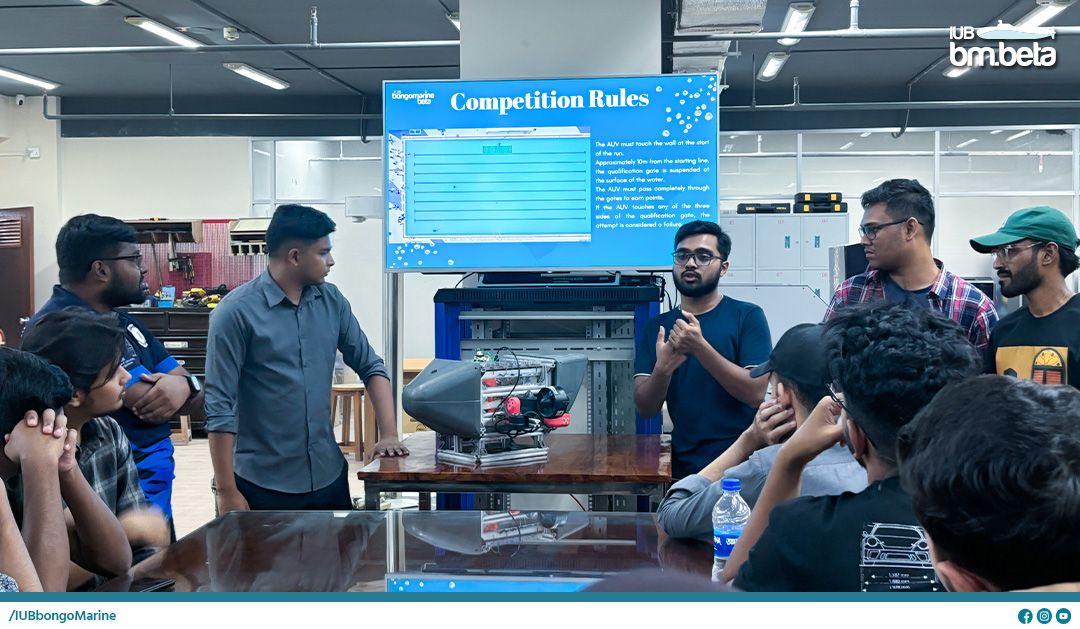
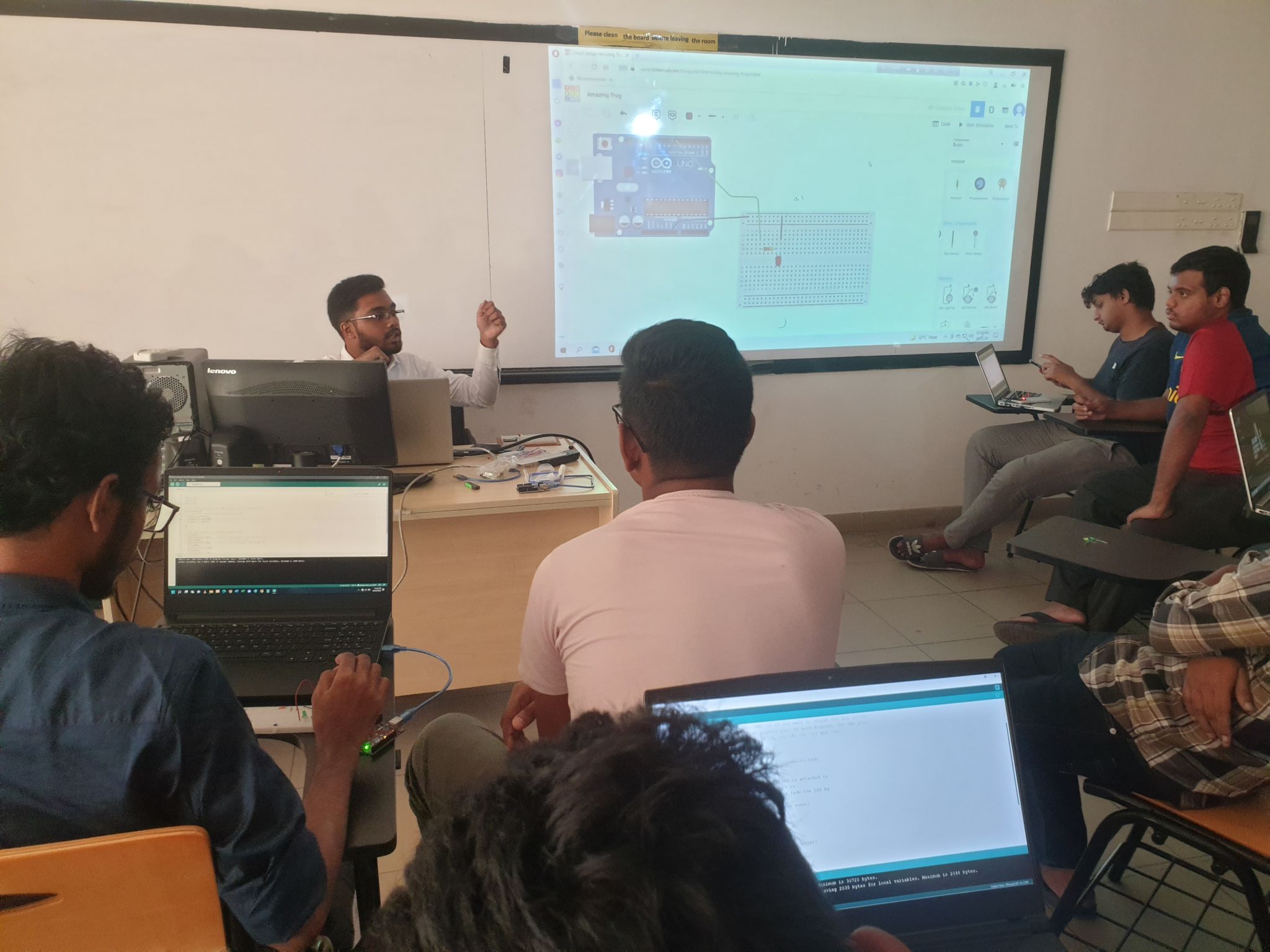
• Robotics and embedded systems engineer with a core passion for democratizing STEAM education, with five years of active mentoring experience. • Served as Chairperson of the IUB's IEEE Robotics and Automation Society, hosting national competitions and leading bootcamps across Dhaka. • Founded the underwater robotics team IUB BongoMarine, representing Bangladesh twice at the Singapore AUV Challenge. • Helped design a neonatal incubator that won the MIT Solve and Gates Foundation award, providing real exposure to international STEM standards.